Zodiac Calendar Guide
Astrology vs. Astronomy: Signs, Constellations & the Ecliptic
The simplest distinction
Astrology is an interpretive tradition that assigns symbolic meaning to celestial positions. Astronomy is the scientific study of celestial objects, space and physical processes.
Signs are not constellations
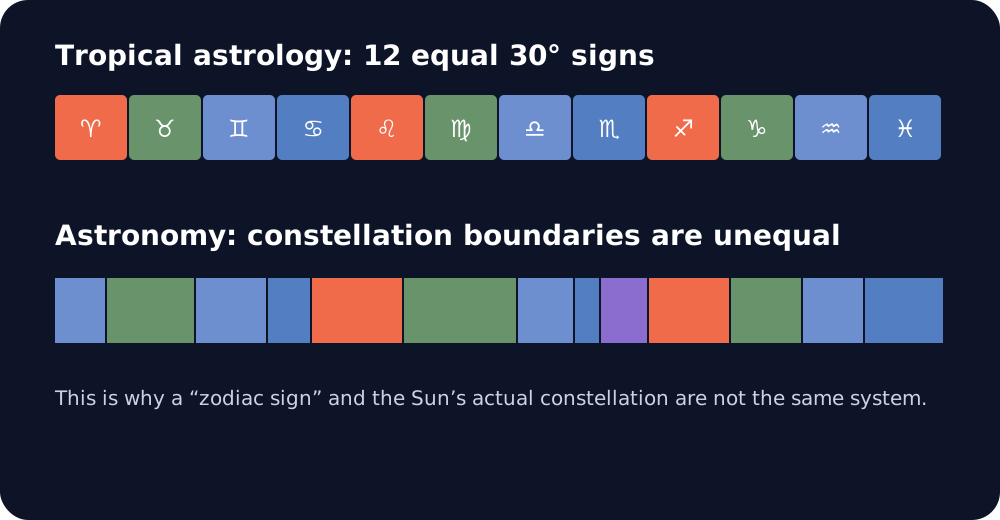
Tropical astrology divides the ecliptic into twelve equal 30-degree signs. Astronomical constellations are unequal, officially bounded sky regions. Their names overlap historically, but the systems are different.
What is the ecliptic?
The ecliptic is the apparent yearly path of the Sun against the background sky. The Moon and visible planets also remain near this band because the major solar-system orbits are broadly aligned.
Why Ophiuchus appears
The Sun’s path crosses the astronomical constellation Ophiuchus. Standard tropical astrology still uses twelve equal signs and does not add Ophiuchus as a thirteenth sign.
Precession in plain language
Earth’s rotational axis slowly changes direction over long periods. This shifts the relationship between seasonal zodiac signs and the background constellations, one reason tropical signs no longer line up with the same star patterns as in antiquity.
Responsible reading
Zodiac Calendar labels astrological claims as tradition or interpretation and reserves scientific language for astronomy.
Related reading
Zodiac sign dates · All zodiac signs · Astrology vs. astronomy
Editorial note: Sign traits and correspondences describe astrological traditions. They should not be treated as scientifically proven personality facts.